






Estate planning can provide many options to protect your assets and your family. I have the experience, expertise and judgement to help you craft an estate plan that meets all of your needs. I also know and appreciate that families come in a variety of constellations and welcome the chance to guide you through your options.

Chronic illness can threaten the safety and security of a family. Long-term care planning can help avoid the devastating effects of Alzheimer’s Disease and other debilitating conditions.

If you are called upon to administer a trust, you do not want to leave anything to chance. I guide and assist successor trustees and estate representatives at every step in the process.

Disabled children who cannot look after their own needs require special planning to protect them. Planning is also necessary to prevent interruption or loss of their public benefits. I can help you protect these special members of your family.
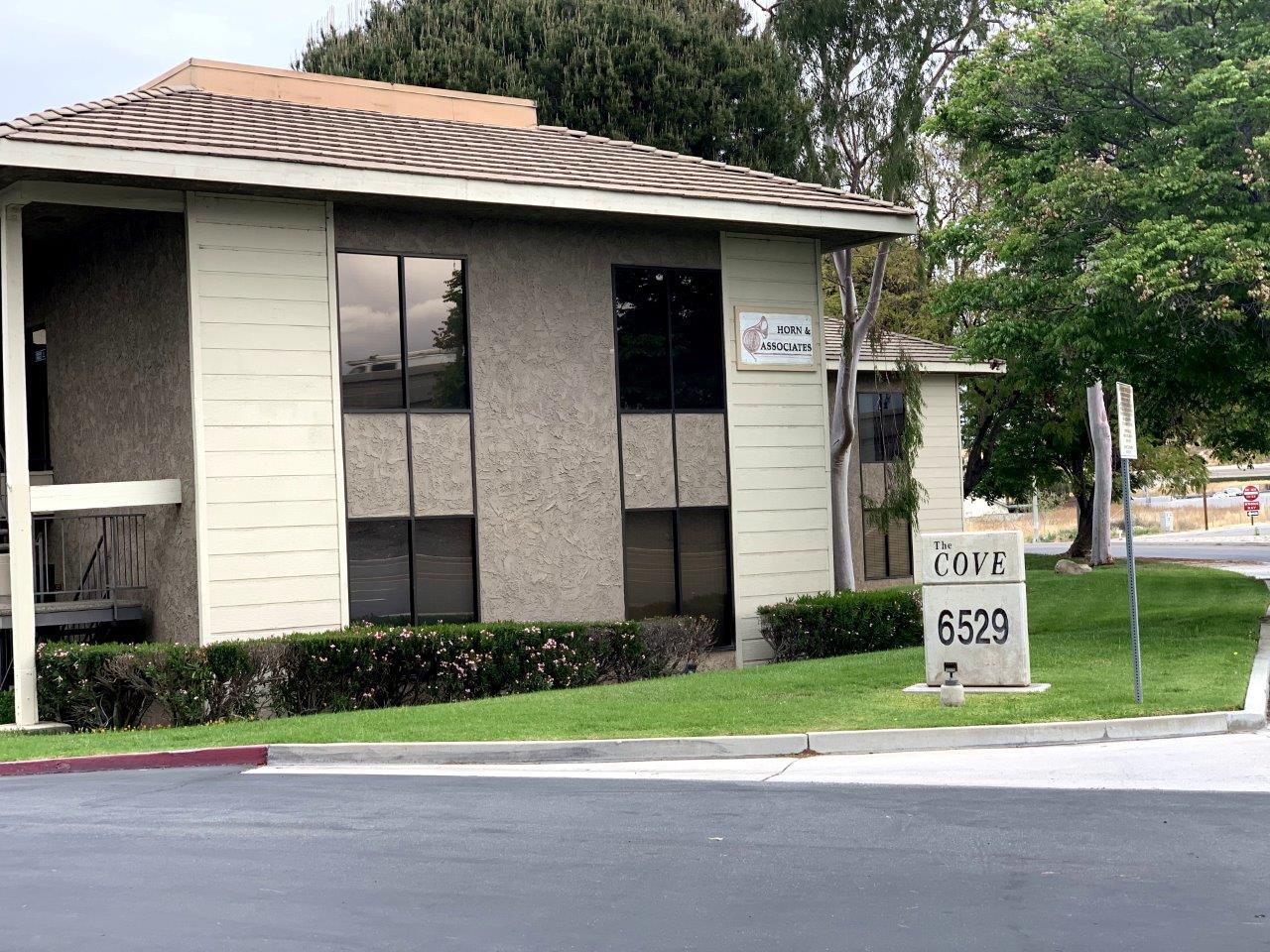
6529 RIVERSIDE AVE., STE. 240
RIVERSIDE, CA 92506
Every individual and family brings a different set of circumstances, concerns, and goals to the estate planning process. My role is to make complicated legal issues understandable and help clients create plans that reflect what matters most to them.
The Law Office of Maureen Lyons, PC provides estate planning, elder law, Medi-Cal planning, special needs planning, and trust administration services to individuals and families throughout California. My approach is practical, family-centered, and focused on helping clients make informed decisions with confidence.
I am proud to continue the tradition of service established by Terry Moynihan and to have served multiple generations of many families.





Usually not. Many people put off estate planning because they expect the process to be complicated, uncomfortable, or overwhelming. My job is to make it understandable and manageable. We will talk through your concerns, your family, your assets, and what you want to accomplish, and I will guide you through the decisions that need to be made. Most clients are relieved once they have a plan in place—and often wonder why they waited so long.
A living trust is not necessary for everyone, but it can be an important part of a California estate plan. A properly funded living trust can help avoid probate, provide for management of your assets if you become incapacitated, and establish how your assets will be distributed after your death. Whether a trust is appropriate depends on your assets, family circumstances, and estate planning goals.
A will provides instructions for distributing assets after death and can nominate guardians for minor children. A living trust can also provide for the distribution of assets, but assets properly held in the trust generally do not require probate. A trust can also provide for management of trust assets if you become incapacitated. Most trust-based estate plans include both a living trust and a pour-over will.
Assets that are properly transferred to a living trust during your lifetime generally can be administered and distributed by your successor trustee without a probate proceeding. Creating the trust alone is not enough; assets must be properly titled or otherwise coordinated with the estate plan. Some assets, such as retirement accounts, are typically handled through beneficiary designations rather than being transferred to the trust during your lifetime.
You should review your estate plan periodically and after significant changes in your life or finances. Marriage, divorce, the birth or death of a family member, changes in your assets, the purchase or sale of real estate, or a change in the people you want to serve as trustee or agent may require an update. Changes in California or federal law can also affect an existing estate plan.
A successor trustee is responsible for administering the trust according to its terms and California law. Duties commonly include identifying and protecting trust assets, providing required notices, determining and paying appropriate debts and expenses, handling tax matters, keeping beneficiaries reasonably informed, maintaining appropriate records and accountings, and ultimately distributing the trust assets to the beneficiaries. The trustee’s specific responsibilities depend on the trust and the circumstances of the estate.
A successor trustee should consider consulting an attorney early in the trust administration process. California trustees have significant legal and fiduciary responsibilities, including notice requirements, asset management, recordkeeping, accounting, tax matters, and distributions to beneficiaries. Legal guidance can help the trustee understand these duties, meet applicable deadlines, and reduce the risk of disputes or personal liability.
Estate planning for a beneficiary with special needs requires particular care. Leaving assets directly to a beneficiary may affect eligibility for certain means-tested public benefits. A properly designed special needs trust can allow assets to be managed for the beneficiary while helping preserve eligibility for applicable government benefits. The appropriate plan depends on the beneficiary’s circumstances, the benefits involved, and the assets being left for the beneficiary.
Yes. The Law Office of Maureen Lyons, PC serves estate planning clients throughout California. Many aspects of the estate planning process can be handled remotely, making it convenient for clients who do not live near the Riverside office.
Yes. California law permits certain planning strategies that may help preserve assets while qualifying for Medi-Cal long-term care benefits. Depending on the circumstances, planning may involve transfers of assets, trusts, changes in how assets are held, or other estate planning techniques. The rules are complex and can change, so the appropriate strategy depends on the applicant’s assets, income, family circumstances, and long-term care needs. Planning before a crisis generally provides more options, but meaningful planning may still be possible after long-term care becomes necessary.
Yes. Your estate plan can provide for a partner, close friend, or chosen family member even if that person is not related to you by blood or marriage.
In fact, careful planning can be especially important when someone you love would not otherwise have automatic rights under California law. A revocable living trust, will, durable power of attorney, and advance health care directive can help ensure that the people you choose can inherit from you, assist with your finances, and make health care decisions if you become unable to do so yourself.
Your estate plan can also help reduce the risk that estranged or distant relatives receive authority or property simply because they are legally related to you.